
Article from a top official in the ministry of culture reveals Vietnam’s deep hostility toward human rights
While little is known about Vietnam’s official policy on human rights, a recent article published in the journal of the Ministry of Information and Communication offers insight into the government’s thinking.
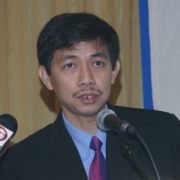
In April 2025, Đinh Tiến Dũng, a deputy director in Vietnam’s Ministry of Culture, published an article expressing his deep suspicion toward foreign efforts to influence human rights in the country, which was republished online the following month. Given Dung’s senior position in the government, his comments can be regarded as an authoritative reflection of the government’s stance toward human rights.
According to Dung, western countries—particularly the United States and members of the European Union—are actively working to effectuate regime change in Vietnam. He accused international human rights organizations Human Rights Watch, Amnesty International, Reporters Without Borders, the Committee to Protect Journalists, and Freedom House of issuing biased reports to discredit the government. He also alleged that Vietnamese exile groups such as BPSOS and Viet Tan collaborate with these organizations and governments, and that foreign media outlets including the BBC, VOA, RFA, and RFI deliberately spread false or misleading information.
‘[H]ostile forces thoroughly exploit issues of democracy and human rights to distort the situation in Vietnam, deny our achievements and efforts, and exert pressure to implement “peaceful evolution,” incite opposition, demand political pluralism and a multi-party system, abolish the leadership role of the Communist Party, and sow division within the national unity bloc.’
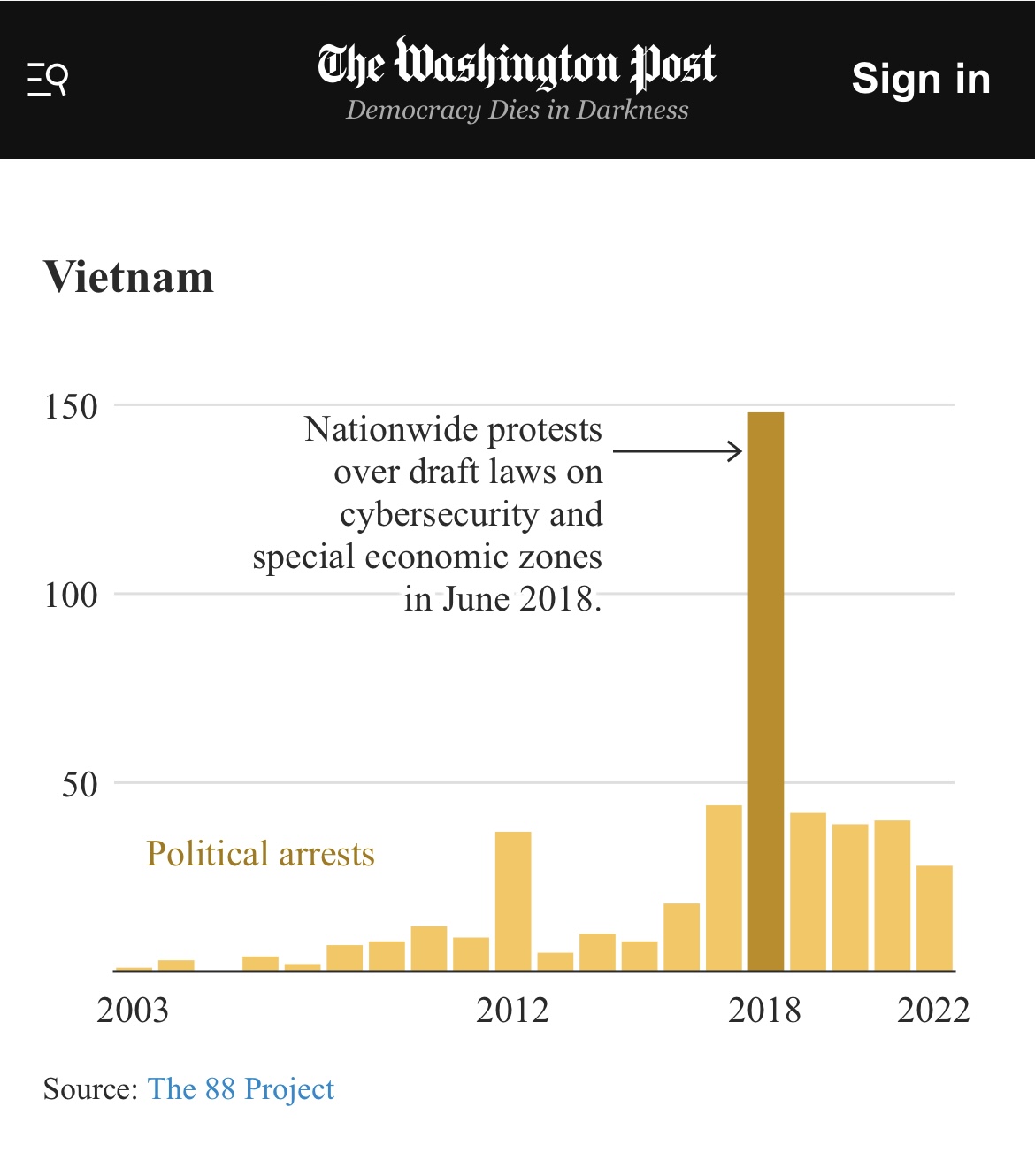
Dung framed international criticism of Vietnam’s human rights record as part of a coordinated campaign to destabilize the Communist Party’s grip on power. He characterized such criticism as biased, unfounded, or driven by ideological differences. He claimed foreign governments and international organizations coordinate to give awards to political prisoners and advocate for their release, thereby creating ‘operational space’ for political opposition in Vietnam. He rejected accusations that Vietnam’s criminal code is used to suppress dissent or that due process violations occur in trials of human rights activists.
‘Due to the fundamental differences in nature, ideology, and systems between our regime and capitalist regimes, the use and total exploitation of democracy and human rights as tools to interfere in internal affairs and oppose Vietnam remain a constant and long-term strategy of the US, Western countries, [and] international organizations lacking goodwill toward Vietnam….’
While acknowledging that western governments, international NGOs, and multilateral bodies have pressured Vietnam to release political prisoners, expand freedom of expression, and end discrimination against religious and ethnic minorities, Dung argued that these demands are motivated not by a genuine concern for rights, but by a desire to destabilize the Communist Party of Vietnam, sow division, and ultimately achieve regime change.
He even accused UN human rights mechanisms of issuing critical statements and reports that ‘provide fodder for hostile forces to exploit, defame, and undermine our reputation.’
As a countermeasure, Dung urged the government to use state media and social media to promote its own narrative on the human rights situation in the country. While calling for continued engagement with the UN, World Bank, ASEAN, and western governments, he stressed that such cooperation should be designed to preserve the party’s control over the country.
In essence, Dung’s article underscores that the Vietnamese government views calls for improved human rights not as legitimate advocacy, but as political tools aimed at eroding the party’s authority and promoting political pluralism. The piece challenges the assumption that closer ties with Vietnam will lead to better human rights outcomes. It also raises questions about Vietnam’s motivation in seeking reelection to the UN Human Rights Council in 2026.
More broadly, the article highlights the deep divide in how human rights are conceptualized. While international law frames them as universal and inalienable, Dung, who represents the Vietnamese government, portrays them as western constructs bound up with capitalist ideology and foreign interference. This clash underscores the persistent tension between the dominant global human rights discourse and the way that Vietnam, despite having ratified core human rights treaties, reinterprets that framework to legitimize one-party rule.
As part of our mission to promote human rights in Vietnam, Project88 translated Dung’s article to help shed light on the Vietnamese government’s policy on human rights. The original Vietnamese text and an English translation made by Project88 appear below.
========================
Information and Communication magazine
Building a cohesive front in combatting, refutation, and neutralization of the activities of hostile forces exploiting democracy and human rights issues to interfere with and undermine Vietnam
Đinh Tiến Dũng
Deputy Director of the Department of Grassroots Culture and People’s Cultural Activities, Ministry of Culture, Sports and Tourism
Original article
(May 31, 2025) Currently, human rights are one of the three main pillars of the United Nations’ activities, alongside Peace – Security and Development. Human rights are always a global concern, holding an important position in international relations, being integrated and closely related to, and a component in addressing many major international issues: conflict resolution, peacekeeping, peace-building, development cooperation, trade, labor, migration, environment…
Summary:
- Human rights are a key pillar of the United Nations (UN), respected and ensured by Vietnam in accordance with its Constitution and laws.
- The complex global situation, with strategic competition, conflicts, and global issues, negatively impacts efforts to ensure human rights, including in Vietnam.
- Hostile forces exploit democracy and human rights to distort and deny achievements, exert pressure, and carry out “peaceful evolution” to undermine Vietnam.
- International organizations and reactionary exiles increase collaboration, using disinformation to produce false reports, pressuring Vietnam internationally.
- Hostile forces lobby Western politicians to intervene, demand the release of law violators, and promote a “civil society” in Vietnam.
- Methods of sabotage include spreading distorted propaganda, supporting opposition elements, influencing legal changes, and inciting religious and ethnic issues.
- Social media is exploited to spread false information, undermine the Party’s ideological foundation, damage Vietnam’s reputation, and divide national unity.
- Solutions include enhancing coordination among agencies, combining domestic and foreign information efforts, and implementing Conclusion 57-KL/TW and Decision 1079/QĐ-TTg.
- Proactively provide official information, cooperate internationally with the UN, World Bank, and ASEAN to enhance Vietnam’s image and reputation.
- Use official and semi-official communication channels, diversify propaganda, and leverage social media to counter false narratives.
- Strengthen direct dialogue with unfriendly organizations, invite them to visit Vietnam, and engage international scholars and experts to protect Vietnam’s image.
- Enhance human rights communication skills for officials and journalists, and develop proactive communication plans for international events of interest.
Most countries consider human rights an important element in their development strategies and foreign policies, while also striving to properly address domestic human rights issues to avoid being passive or disadvantaged in foreign relations and in the face of domestic and international public opinion. For Vietnam, respecting and ensuring human rights is a consistent viewpoint and policy of the Party and the State, clearly stipulated in the Constitution and laws.
Recently, the global situation has continuously evolved in complex and unpredictable ways, giving rise to numerous challenges beyond predictions. Strategic competition among major powers, armed conflicts, and global issues such as inflation, economic recession, climate change, terrorism, food security, energy security, and cybersecurity have made the world increasingly unstable, posing many challenges to efforts to promote and ensure human rights globally and, to some extent, negatively impacting the situation in Vietnam. In this context, hostile forces thoroughly exploit issues of democracy and human rights to distort the situation in Vietnam, deny our achievements and efforts, and exert pressure to implement “peaceful evolution,” incite opposition, demand political pluralism and a multi-party system, abolish the leadership role of the Communist Party, and sow division within the national unity bloc.
Activities exploiting democracy and human rights to interfere with and undermine Vietnam
Entities engaging in activities to interfere with and undermine Vietnam
Identifying organizations and individuals with ill will and intent to interfere with and undermine Vietnam
Due to historical characteristics and differences in perspectives, many unconstructive and biased comments and assessments have negatively impacted Vietnam’s national security, social order, and international reputation. Organizations and individuals with ill will toward Vietnam, harboring intentions to interfere with and undermine the country, vary in their objectives and resources but share a common method: maximally exploiting media to spread negative information about Vietnam, influencing the psychology, public opinion, and perceptions of both domestic and international audiences. Practical evidence shows that the entities engaging in activities to interfere with and undermine Vietnam include:
- Western countries, led by the United States and certain EU nations.
- Foreign NGOs with hostility and ill will toward Vietnam (e.g., Human Rights Watch, Amnesty International, Reporters Without Borders, Committee to Protect Journalists, Freedom House, etc.); some UN human rights mechanisms are manipulated and exploited.
- Reactionary Vietnamese exile organizations and individuals, notably the Committee for the Rescue of Boat People.
- BPSOS led by Nguyen Dinh Thang, Viet Tan, the Vietnam Committee on Human Rights…
- Domestic political opposition groups and individuals, particularly those within religious, ethnic, and political opportunist circles, as well as so-called “human rights activists” or “human rights defenders.”
Notably, international organizations and NGOs are increasingly supporting, connecting, and collaborating with reactionary Vietnamese exile organizations and individuals in the U.S., Europe, and other countries. They use distorted information provided by these groups to produce reports and documents with erroneous assessments of Vietnam’s democracy and human rights situation, exerting international pressure on Vietnam when participating in international human rights conventions.
Additionally, these entities are intensifying efforts to lobby political figures in various countries, especially radical parliamentarians, to sponsor interventions and demand the release of lawbreakers currently detained or on trial in Vietnam. They seek to exploit provisions in international conventions that Vietnam has joined, connecting and collaborating with domestic opposition elements to promote the formation of “civil society” and “independent trade unions” in Vietnam. Hostile and reactionary forces, external ideological sabotage centers, and organizations masquerading as human rights and international media entities continue to exploit cyberspace to intensify propaganda and activities undermining Vietnam in the fields of democracy and human rights.
Despite numerous achievements in developing bilateral relations, the U.S. government and certain Western countries continue to use democracy and human rights issues as tools to interfere with and pressure Vietnam, actively connecting, supporting, and encouraging reactionary and opposition organizations and individuals both inside and outside the country.
Classification of organizations and individuals lacking goodwill, intending to interfere with and undermine Vietnam
To develop response strategies, promote international cooperation, conduct external information activities, and devise appropriate countermeasures, it is necessary to classify entities undermining Vietnam into the following groups:
- Group of dangerous entities directly harming national security
According to statistics, some organizations in this dangerous group directly harm Vietnam’s national security, including reactionary overseas Vietnamese organizations. These organizations operate a network of radio stations, newspapers, channels/pages, and Facebook accounts aimed at undermining the Party and State of Vietnam. For this group, no matter how well we perform or how much goodwill we show, they will distort and fabricate information, as this is tied to their very reason for existence.
- Group of entities engaged in activities related to national security
This group includes organizations lacking goodwill toward Vietnam, often funded by certain Western governments such as the US, EU, and foreign non-governmental organizations (NGOs). They engage in numerous activities to distort and create unfavorable public opinion about Vietnam in areas such as press freedom, information, democracy, and human rights. Annually, they issue reports, assessments, and rankings that misrepresent the human rights situation in Vietnam, while supporting, backing, and inciting individuals and organizations, both domestic and overseas, to oppose Vietnam.
Additionally, some independent UN human rights experts, as well as extremist US political figures, frequently publish unobjective, inaccurate, or deliberately false information to criticize the policies and direction of Vietnam’s Party and State.
- Group of entities making negative, inaccurate comments due to ideological differences and historical legacies
This group mainly consists of overseas Vietnamese-language media outlets. Notably, five major Vietnamese-language media organizations abroad consistently disseminate inaccurate and negative information about Vietnam: BBC (UK), Voice of America (VOA), Radio Free Asia (RFFA), Người Việt (US), and RFI (France).
A common characteristic of these outlets is their heavy reliance on news and Vietnamese-language content from within Vietnam. Vietnamese-language media currently faces a severe crisis in both content and expression. Key reasons include the rise of social media, which has ended the monopoly of newspapers and radio stations on news, and the fact that domestic Vietnamese journalism offers more diverse, updated content with a higher level of critical analysis.
As of September 22, 2023, BBC Vietnamese was disbanded and forced to close its office in London (UK), relocating to Bangkok (Thailand) and joining the “Thai, Vietnam, and Indonesia Division,” with numerous staff layoffs. However, even after moving to Thailand, BBC Vietnamese continues to publish articles about Vietnam online.
In March 2025, US President Donald Trump issued an executive order cutting funding for the US Agency for Global Media (USAGM), which oversees VOA, RFA, and six other federal agencies. As a result, VOA and RFA staff were required to resign, prohibited from entering their workplaces, and instructed to hand over employee IDs, press credentials, documents, electronic devices, and phones. This marks a new development in the US’s shift in media intervention strategy.
- Group of entities making negative, inaccurate comments due to lack of information
4.1 Foreign news agencies and media outlets
Foreign news agencies, wire services, and media outlets with offices or resident reporters in Vietnam occasionally publish negative information (approximately 1%) about Vietnam.
4.2 UN Agencies and mechanisms
UN human rights agencies and mechanisms hold significant influence, especially as Vietnam strives for deeper international integration and plays an increasingly active and prominent role in global affairs. Vietnam’s election to the UN Human Rights Council for the 2023–2025 term is a key milestone, reflecting our international prestige and position, particularly in promoting and protecting human rights. However, due to a lack of information and differing approaches, some UN agencies and mechanisms have issued unconstructive comments and reports about Vietnam, providing fodder for hostile forces to exploit, defame, and undermine our reputation.
These entities are often invited to participate in events in Vietnam. However, Vietnamese government agencies currently provide little official information beyond facilitating press trips to certain localities. These entities often interact or request contact with dissatisfied or subversive individuals within the country.
Methods and plots of hostile forces exploiting democracy and human rights to interfere, disseminate false and negative information to undermine Vietnam
Due to the fundamental differences in nature, ideology, and systems between our regime and capitalist regimes, the use and total exploitation of democracy and human rights as tools to interfere in internal affairs and oppose Vietnam remain a constant and long-term strategy of the US, Western countries, international organizations lacking goodwill toward Vietnam, hostile forces, reactionary overseas Vietnamese groups, and other reactionary exile forces. Their goals include exerting pressure, making this a central focus of the “peaceful evolution” and “self-evolution” strategies, influencing and steering Vietnam toward a western-style democratic model, fostering opposition forces, and supporting activities aimed at inciting riots and overthrowing the government when opportunities arise. These efforts are carried out through various methods and tactics, including:
- Intensifying propaganda, distortion, and false accusations of vietnam’s violations of democracy and human rights. This aims to undermine the ideological foundation, damage Vietnam’s reputation, and create a basis for exerting pressure on us. A common method is through annual reports from countries and international non-governmental organizations (NGOs) that contain distorted and false claims about Vietnam’s human rights situation.
- Interfering and supporting domestic opposition elements to establish a banner and political opposition forces. Recently, interference has become more overt and intense (at both low and high levels). Some Western countries closely coordinate and jointly express concern over specific cases or individuals to increase pressure on Vietnam.
Common forms of support include material aid, financial backing, and honoring individuals with titles such as “human rights activists,” “independent journalists,” “dissidents,” or “environmental activists,” as well as awarding “human rights”-cloaked prizes. Notably, when Vietnam arrests or prosecutes these individuals, hostile forces issue press statements opposing the verdicts, claiming unfair trials; organize meetings with the relatives of opposition figures; request to attend trials or visit these individuals in detention; and call for reduced sentences or the release of targeted individuals ahead of high-level diplomatic activities.
Influencing Vietnam’s legal reform and amendment processes. This aims to create legal corridors and operational space for domestic political opposition elements. They distort claims that national security laws in the criminal code are vague, unclear, and easily abused to suppress domestic human rights activists. They also misrepresent criminal procedure laws as restricting access to lawyers, family visits, and involving solitary confinement or arbitrary detention of human rights activists.
- Pressuring Vietnam on democracy and human rights through high-level diplomacy, cooperation, and development programs. EU and Western countries attach democracy and human rights conditions into cooperative relations, treating these as binding requirements. Examples include demands for the Party and State of Vietnam to release political opposition figures, expand press freedom, freedom of speech, assembly, and end religious and ethnic repression. They also demand compliance with commitments under the Comprehensive and Progressive Agreement for Trans-Pacific Partnership (CPTPP), the EU-Vietnam Free Trade Agreement (EVFTA), the EU-Vietnam Investment Protection Agreement (EVIPA), and accession to ILO Convention No. 87.
- Inciting issues of religious freedom and ethnic minority concerns. These are two dangerous and breakthrough attack fronts aimed at inciting separatist and autonomist ideologies to undermine national unity. Domestic opposition elements actively collaborate with reactionary overseas individuals and organizations to provide disinformation, claiming Vietnam discriminates against ethnic minorities, forces ethnic minority Protestants to abandon their faith, and suppresses unregistered independent religious groups…
Promoting “asylum”” resettlement: Hostile forces lobby certain governments to expand “asylum” admission programs, [they] incite ethnic minorities to oppose the government in order to create “records of persecution and oppression by [Vietnamese] authorities” which they then use to make asylum applications for resettlement abroad. They also connect with reactionary ethnic minority elements to organize online discussions and fabricate cases of “human rights and religious freedom violations in Vietnam.”
Hostile forces fully exploit the speed and reach of the Internet and social media to disseminate subversive content, directly threatening the stability of the people’s government, destabilizing society, and dividing the people, religions, and ethnic groups, with the intent to weaken the people’s government and disrupt security and social order.
They focus on propagating and undermining Vietnam with false, fabricated, and distorted information, blurring the lines between right and wrong, truth and falsehood, or using partial truths with malicious intent. Unverified information affects individuals and organizations, insults personal honor and dignity, and undermines organizational reputation. They propagate distortions claiming Vietnam suppresses civil and political rights, including freedom of belief and religion, freedom of speech, press, and the Internet, rights of ethnic minorities, and freedom of assembly and association. Regarding the arrest and prosecution of so-called “human rights activists,” and recently, they have increasingly interfered in issues related to “civil society,” “indigenous people,” “environmental activism,” and workers’ rights…Through practical observations, the types of information hostile forces focus on to propagate and undermine Vietnam include:
- Information aimed at undermining the party’s ideological foundation:
This group of information focuses on denying and opposing the leadership role of the Communist Party of Vietnam; distorting and rejecting Marxism-Leninism and Ho Chi Minh’s ideology with claims such as: “The collapse of socialism in the Soviet Union and Eastern Europe proves Marxism-Leninism is outdated and no longer relevant,” or “The Communist Party of Vietnam’s adherence to Marxism-Leninism is a mistake.”
Moreover, they totalize, separate, and oppose Ho Chi Minh’s ideology from Marxism-Leninism, defaming and slandering Ho Chi Minh’s life and career to undermine his reputation and reject his ideology. They demand the abolition of Article 4 of the Constitution [the legal basis of one-party rule], advocate for political pluralism, a multi-party system, an independent police and military, and private media…
- False and misleading information to undermine Vietnam’s reputation and international image:
This includes denying the country’s development achievements under the Party’s leadership and completely rejecting the significant accomplishments of the Party, military, and people in the cause of national liberation, construction, and defense, especially the achievements over 37 years of reform across all areas of social life (despite these achievements being recognized and highly appreciated by both the Vietnamese people and international friends). Such information is mainly disseminated by certain relatively influential international institutions and organizations.
Statements are often made through annual reports, protest letters, open letters, and remarks by leaders of these organizations. Some specific accusations, citing international standards, particularly human rights conventions, are used to defame and tarnish Vietnam’s reputation in areas such as religious and belief freedom, press freedom, freedom of speech, Internet freedom, freedom of association, workers’ rights, ethnic minority rights, and the handling of self-proclaimed “human rights defenders.”
- Negative but factual information requiring explanation, acceptance, and improvement:
This group of information exploits loopholes, limitations, and wrongdoings of certain domestic leaders and collectives to defame, generalize, and falsely attribute these issues to the nation and regime, thereby fracture national solidarity and eroding trust among a portion of the masses toward state agencies and the Party. Examples include the Formosa case, the Dong Tam incident, vehicle inspection scandals, and investigations, prosecutions, and trials of major corruption and economic cases, as well as the process of restructuring and streamlining the administrative system…
Solutions to counter, refute, and neutralize the exploitation of democracy and human rights to interfere and undermine Vietnam
In the coming time, the international and regional situation will continue to develop complications, contradictions, conflicts, and instability in global hotspots which show no signs of abating, will have significant impacts on global security and politics. Major powers increasingly recognize Vietnam’s role and position in regional policy implementation, leading to a growing interest in strengthening relations and promoting cooperation with us.
At the same time, hostile forces remain unrelenting in their schemes to undermine Vietnam. They will continue to exploit issues related to democracy, human rights, ethnicity, and religion as key attack fronts to breach our ideological and political defenses. In the near future, hostile and reactionary forces will fully exploit Vietnam’s significant political and diplomatic events, as well as overseas visits by Vietnamese Party and State leaders and visits by foreign leaders to Vietnam, to propagate, undermine, and lobby public opinion, aiming to tarnish Vietnam’s international reputation.
To effectively counter these subversive activities, we need to focus on the following key tasks:
Enhance effective coordination and collaboration among agencies and units:
To effectively counter the interference and subversive schemes of hostile forces, it is necessary to strengthen coordination among ministries, sectors, and localities; between domestic and external information efforts; between Party diplomacy, state diplomacy, and people-to-people diplomacy; and between refutation efforts and propaganda activities. This will create comprehensive strength and a breakthrough in quality and effectiveness in promoting Vietnam’s image and countering false and hostile viewpoints.
Focus on implementing tasks to refute misinformation in conjunction with external information efforts on human rights, emphasizing the tasks and solutions outlined in Politburo Conclusion No. 57-KL/TW dated June 15, 2023, on continuing to enhance the quality and effectiveness of external information work in the new context, and Prime Minister’s Decision No. 1079/QĐ-TTg dated September 14, 2022, approving the Communication Project on Human Rights in Vietnam.
Deeply internalize that human rights work is a task for all levels, sectors, and the entire political system, under the direct and comprehensive leadership of the Party. Combine development and defense efforts, ensuring and advocating for human rights as a unified whole. Maintaining internal stability is the foundation for diplomatic efforts in the field of human rights. Therefore, it is essential to focus on leading and directing the successful implementation of the Party and State’s policies on socio-economic development, national security, improving the quality of people’s lives, ensuring social welfare, and effectively implementing policies on religion, ethnicity, and support for vulnerable groups… to protect and better promote human rights, providing a solid foundation for advocacy and communication efforts on human rights.
The Ministry of Foreign Affairs, the Ministry of Culture, Sports and Tourism (MOCST), and the Ministry of Public Security should take the lead, coordinating with other agencies as needed, to create a cohesive strategy, clearly define roles, and enhance effectiveness in communication, information provision to foreign partners, and the implementation of professional measures to address different groups of organizations and individuals with subversive intentions and activities against Vietnam.
Provide official information and promote international cooperation
– Enhance proactiveness in guiding information and shaping public opinion on human rights. This includes researching and determining appropriate timing for information dissemination and propaganda, such as when certain countries and international organizations prepare and release human rights-related reports or during trials of individuals of international concern, to create a flow of official, positive information. Simultaneously, effectively control information flows related to Vietnam’s human rights efforts that are of interest to the international community and hostile forces; regularly scan, filter, and verify information, and apply appropriate measures to address violations.
– Prioritize communication using foreigners, foreign media, and individuals who previously expressed a lack of goodwill toward Vietnam to lead certain international initiatives and efforts related to human rights in the context of digital transformation, digital society, and the digital economy.
Strengthen cooperation with international partners such as UN agencies (UNDP, UNESCO, UNICEF, etc.) in Vietnam, the World Bank (WB), the US Embassy, the EU, Sweden, the UK, and cooperation within the ASEAN framework to exchange technical expertise on judicial reform, enhancing law enforcement capacity, and ensuring human rights in line with Vietnam’s interests.
Provide regular information to embassies, diplomatic missions, international organizations, resident foreign press offices, and correspondents in Vietnam. Continue organizing field trips for resident correspondents and press attachés of foreign diplomatic missions in Vietnam.
Proactively invite certain organizations and individuals lacking goodwill to visit and engage in dialogue with relevant Vietnamese agencies.
Utilize official and semi-official communication channels abroad to provide information, dilute, and redirect information
– Diversify forms of information and propaganda, effectively leveraging social media, especially cross-border platforms, to quickly reach public opinion, particularly young audiences, and raise accurate awareness of human rights issues and Vietnam’s human rights situation, proactively countering distorted narratives.
Simultaneously, build a network of domestic and foreign journalists, experts, and scholars—both foreigners and overseas Vietnamese—to ensure information is delivered quickly and comprehensively to audiences.
Additionally, consider establishing dedicated human rights sections in newspapers, online magazines, and radio stations to create a unified, focused, and impactful communication front with rapid and strong outreach. Assign Vietnam’s representative and specialized agencies abroad, as well as resident correspondents in key locations, to provide and redirect information directly through the host country’s communication infrastructure. Propose organizing delegations to key locations to engage, meet, and discuss legal, academic, and scientific bases of international reports and rankings related to Vietnam, and directly address organizations lacking goodwill to clarify inaccurate information about Vietnam.
Increase positive information about Vietnam: beyond producing content based on “what we think the West likes,” conduct specific surveys to provide information aligned with “what the West needs and cares about.” Focus on “Westerners communicating to Westerners” through channels of scholars and by leveraging opinions from countries and international organizations with good relations with us.
In addition to producing quality content, pay adequate attention and investment to distribution and dissemination to ensure positive information reaches target audiences. Proactively promote positive information with the approach of “building to counter” as a fundamental, long-term solution. Enhance measures to provide official information, invite field visits to Vietnam, and leverage reputable, influential international figures with goodwill toward Vietnam to advocate and defend Vietnam.
Combine diplomatic and propaganda measures seamlessly to create a cohesive front to counter, refute, and neutralize subversive activities against Vietnam.
– Human rights work should focus on both promoting achievements in ensuring human rights and refuting misinformation. The Ministry of Foreign Affairs, the MOCST (directing news agencies, press, and television), other ministries, sectors, localities, and Vietnamese associations abroad should enhance external information and propaganda efforts on the Party and State’s policies, as well as achievements in economic and social development, particularly in protecting and implementing human rights in Vietnam.
Focus on promoting achievements in ensuring human rights across economic, cultural, and social rights (social welfare, poverty reduction, workers’ rights), and rights for vulnerable groups (women, children, the elderly, ethnic minorities, etc.). Develop articles to refute misinformation about civil and political rights and topics frequently exploited, slandered, and distorted by hostile forces in annual reports, especially freedom of belief and religion, freedom of speech, press, and the Internet, and issues related to arrests, detention, and prison conditions…
Relevant agencies should enhance information channels, propaganda, dialogue programs, seminars, and documentaries with the participation of international scholars, experts, and foreign media with goodwill toward Vietnam. This aims to convey official messages and information about Vietnam’s achievements in human rights, religion, ethnicity, economy, and society, as well as results in implementing relevant international conventions. This also contributes to ensuring the success of Vietnam’s role as a member of the UN Human Rights Council for the 2023–2025 term, creating favorable conditions for Vietnam’s re-election bid for the 2026–2028 term.
– Engage and exchange with political figures in other countries, especially far-right leaders and parliamentarians in the US and EU with anti-Vietnam sentiments, while continuing to leverage progressive public opinion and the views of reputable experts and scholars in these countries to enhance Vietnam’s role and reputation.
– For countries issuing inaccurate reports or assessments of Vietnam’s human rights situation or engaging in and supporting opposition figures and lawbreakers, Vietnam should use diplomatic channels, dialogue, and direct contact, especially high-level dialogue, to deliver stronger refutation messages and urge these governments to adopt appropriate, substantive policies beneficial to bilateral relations.
Emphasize training and enhancing knowledge and communication skills on human rights for cadres, Party members at all levels, and journalists.
Meanwhile, Proactively develop communication plans for events of external interest, including assigning and coordinating roles for journalists and media agencies to participate in human rights-related events, effectively achieving the goal of guiding public opinion and maintaining a strategic proactive stance in the information and communication front on human rights.
Conclusion
It can be affirmed that Vietnam consistently respects and ensures the fundamental rights of citizens in line with international standards. Vietnam has achieved numerous accomplishments in protecting and promoting human rights across all fields, which have been recognized and highly appreciated internationally. While human rights were once considered sensitive and avoided, Vietnam’s position has now changed. We can now openly counter and refute unobjective and negative assessments of Vietnam’s situation, firmly and strongly condemning the distorted and subversive narratives of hostile forces.
Therefore, proactively coordinating and collaborating among agencies, units, and all levels and sectors, raising awareness of human rights work, engaging in dialogue, providing official information, and enhancing domestic and external propaganda about our achievements and results, as well as refuting false narratives through mass media and cross-border platforms, is the best way to create a cohesive strategy to counter various types of entities exploiting democracy and human rights to undermine Vietnam.
(Article published in the print edition of the Information and Communications Magazine, Issue 4, April 2025).
========================
Xây dựng thế trận liên hoàn trong đấu tranh, phản bác, vô hiệu hoá hoạt động của các thế lực thù địch lợi dụng vấn đề dân chủ, nhân quyền can thiệp, chống phá Việt Nam
ThS. Đinh Tiến Dũng
Phó Cục trưởng Cục TTCS & TTĐN, Bộ Văn hóa, Thể thao và Du lịch
Hiện nay, nhân quyền là một trong ba trụ cột hoạt động chính của Liên Hợp Quốc cùng với Hòa bình – An ninh và Phát triển. Nhân quyền luôn là vấn đề quan tâm chung của toàn cầu, có vị trí quan trọng trong quan hệ quốc tế, được lồng ghép, có mối quan hệ mật thiết và là một thành tố trong giải quyết nhiều vấn đề quốc tế lớn: giải quyết xung đột, gìn giữ, kiến tạo hòa bình, hợp tác phát triển, thương mại, lao động, di cư, môi trường…
Tóm tắt:
– Nhân quyền là trụ cột quan trọng của Liên Hợp Quốc (LHQ), được Việt Nam tôn trọng và bảo đảm theo Hiến pháp và pháp luật.
– Tình hình thế giới phức tạp với cạnh tranh chiến lược, xung đột, và các vấn đề toàn cầu tác động tiêu cực đến nỗ lực bảo
đảm nhân quyền, bao gồm tại Việt Nam.
– Các thế lực thù địch lợi dụng dân chủ, nhân quyền để xuyên tạc, phủ nhận thành tựu, gây sức ép, thực hiện “diễn biến hòa bình” chống phá Việt Nam.
– Các tổ chức quốc tế và phản động lưu vong gia tăng liên kết, sử dụng thông tin xuyên tạc để xây dựng báo cáo sai lệch, gây sức ép quốc tế với Việt Nam.
– Các thế lực thù địch vận động chính giới phương Tây can thiệp, yêu cầu trả tự do cho đối tượng vi phạm pháp luật, thúc đẩy “xã hội dân sự” tại Việt Nam.
– Phương thức chống phá bao gồm tuyên truyền xuyên tạc, hậu thuẫn đối tượng chống đối, tác động sửa đổi pháp luật, và kích động vấn đề tôn giáo, dân tộc.
– Lợi dụng mạng xã hội (MXH) để lan truyền thông tin sai lệch, phá hoại nền tảng tư tưởng Đảng, hạ uy tín Việt Nam, và chia rẽ khối đại đoàn kết dân tộc.
– Giải pháp đấu tranh bao gồm tăng cường phối hợp giữa các cơ quan, kết hợp thông tin đối nội và đối ngoại, thực hiện Kết luận 57-KL/TW và Quyết định 1079/QĐ-TTg.
– Chủ động cung cấp thông tin chính thức, hợp tác quốc tế với Liên Hợp Quốc, WB, ASEAN để nâng cao hình ảnh và uy tín Việt Nam.
– Sử dụng kênh truyền thông chính thức, bán chính thức, đa dạng hóa tuyên truyền, tận dụng MXH để phản bác luận điệu sai trái.
– Tăng cường đối thoại trực tiếp với tổ chức thiếu thiện chí, mời thăm Việt Nam, và tranh thủ học giả, chuyên gia quốc tế để bảo vệ hình ảnh Việt Nam.
– Nâng cao kỹ năng truyền thông nhân quyền cho cán bộ, phóng viên, xây dựng kế hoạch truyền thông chủ động trước các sự kiện quốc tế quan tâm.
Hầu hết các nước xác định nhân quyền là nội dung quan trọng trong chiến lược phát triển và trong chính sách đối ngoại của mình, đồng thời cố gắng xử lý thỏa đáng các vấn đề nhân quyền nảy sinh trong nước để tránh bị động hoặc bất lợi về đối ngoại cũng như trước dư luận trong và ngoài nước. Đối với Việt Nam, tôn trọng, bảo đảm quyền con người là quan điểm, chủ trương nhất quán của Đảng, Nhà nước ta, được quy định rõ ràng trong Hiến pháp và pháp luật.
Gần đây, tình hình thế giới liên tục diễn biến phức tạp, khó lường và nảy sinh nhiều thách thức vượt ngoài dự báo. Cạnh tranh chiến lược giữa các nước lớn, xung đột vũ trang; các vấn đề toàn cầu như lạm phát, suy thoái kinh tế, biến đối khí hậu, khủng bố, an ninh lương thực, an ninh năng lượng, an ninh mạng… khiến tình hình thế giới càng trở nên bất ổn, gây ra nhiều thách thức đối với nỗ lực thúc đẩy và bảo đảm quyền con người trên phạm vi toàn cầu và phần nào đã tác động tiêu cực đến tình hình Việt Nam. Trong bối cảnh đó, các thế lực thù địch triệt để lợi dụng vấn đề dân chủ, nhân quyền để xuyên tạc tình hình Việt Nam, phủ nhận các thành tựu và nỗ lực của ta nhằm gây sức ép, thực hiện “diễn biến hòa bình”, kích động chống đối, đòi đa nguyên đa đảng, xóa bỏ vai trò lãnh đạo của Đảng Cộng sản, gây chia rẽ khối đại đoàn kết dân tộc.
Hoạt động lợi dụng dân chủ, nhân quyền can thiệp, chống phá Việt Nam
Chủ thể thực hiện hoạt động can thiệp, chống phá Việt Nam
Nhận diện các tổ chức, cá nhân thiếu thiện cảm, có ý đồ can thiệp, chống phá Việt Nam
Do đặc điểm lịch sử và sự khác biệt về lựa chọn nhiều nhận xét, đánh giá thiếu thiện chí, khách quan, tác động tiêu cực đến an ninh quốc gia, trật tự an toàn xã hội và uy tín quốc tế của nước ta. Các tổ chức, cá nhân thiếu thiện cảm với Việt Nam, có ý đồ can thiệp, chống phá Việt Nam khá đa dạng về mục đích, nguồn lực nhưng đều có chung phương pháp khai thác tối đa truyền thông để tán phát các thông tin tiêu cực về Việt Nam gây tác động đến tâm lý, dư luận và nhận thức của người dân trong nước và quốc tế.
Từ thực tiễn cho thấy chủ thể thực hiện hoạt động can thiệp, chống phá Việt Nam gồm:
– Các nước phương Tây, đứng đầu là Mỹ và nhóm nước EU.
– Các tổ chức NGO nước ngoài có quan điểm thù địch, thiếu thiện chí với Việt Nam (Theo dõi Nhân quyền, Ân xá quốc tế, Phóng viên không biên giới, Ủy ban bảo vệ ký giả, Ngôi nhà tự do…); một số cơ chế nhân quyền LHQ bị thao túng, lợi dụng
– Các tổ chức, cá nhân người Việt phản động lưu vong, nổi lên Ủy ban cứu người vượt biển
– BPSOS của Nguyễn Đình Thắng, Việt Tân, Ủy ban bảo vệ quyền làm người Việt Nam…
– Các tổ chức, cá nhân chống đối chính trị trong nước, nhất là số trong tôn giáo, dân tộc, cơ hội chính trị, số được gọi là “nhà hoạt động nhân quyền”, “nhà bảo vệ nhân quyền”…
Đáng chú ý, các tổ chức quốc tế, tổ chức phi chính phủ đang gia tăng hoạt động hậu thuẫn, liên kết, móc nối với các cá nhân, tổ chức phản động người Việt lưu vong tại Mỹ, châu Âu và các nước; sử dụng các thông tin xuyên tạc do số này cung cấp để xây dựng các báo cáo, tài liệu nhận định sai lệch về tình hình dân chủ, nhân quyền của Việt Nam, gây sức ép quốc tế đối với Việt Nam khi tham gia các công ước nhân quyền quốc tế.
Bên cạnh đó, chúng cũng đang tăng cường vận động chính giới các nước, nhất là số nghị sỹ cực đoan bảo trợ, can thiệp, yêu cầu Việt Nam trả tự do cho số vi phạm pháp luật đang bị bắt giữ, xét xử ở trong nước; tìm cách lợi dụng các quy định trong các Công ước quốc tế mà Việt Nam tham gia, ký kết, móc nối, liên kết với số chống đối trong nước để thúc đẩy hình thành các tổ chức “xã hội dân sự”, “công đoàn độc lập” tại Việt Nam. Các thế lực thù địch, phản động, các trung tâm phá hoại tư tưởng bên ngoài và số tổ chức núp danh nhân quyền, báo chí quốc tế tiếp tục lợi dụng không gian mạng để tăng cường các hoạt động tuyên truyền, chống phá Việt Nam trong lĩnh vực dân chủ, nhân quyền.
Mặc dù có nhiều thành tựu trong phát triển quan hệ song phương, song Chính quyền Mỹ và một số nước phương Tây tiếp tục sử dụng vấn đề dân chủ, nhân quyền làm công cụ để can thiệp, gây sức ép với Việt Nam, tích cực móc nối, hỗ trợ, cổ súy cho các tổ chức, hội nhóm và đối tượng phản động, chống đối trong và ngoài nước.
Phân loại các tổ chức, cá nhân thiếu thiện cảm, có ý đồ can thiệp, chống phá Việt Nam
Để có các phương án ứng xử, hướng thúc đẩy hợp tác quốc tế, thông tin đối ngoại cũng như đề ra các đối sách đấu tranh, xử lý phù hợp, ta cần phân loại chủ thể chống phá Việt Nam theo các nhóm như sau:
a) Nhóm đối tượng nguy hiểm, xâm hại trực tiếp an ninh quốc gia
Theo thống kê, một số tổ chức thuộc nhóm nguy hiểm, xâm hại trực tiếp an ninh quốc gia Việt Nam bao gồm các tổ chức phản động lưu vong người Việt. Các tổ chức này có hệ thống các đài, báo, kênh/trang, tài khoản facebook chống phá Đảng, Nhà nước Việt Nam… Đối với nhóm đối tượng này, dù ta có làm tốt đến đâu, thiện chí đến đâu cũng sẽ là mồi để chúng xuyên tạc, bịa đặt bởi gắn liền với lý do tồn tại của họ.
b) Nhóm đối tượng có hoạt động liên quan đến an ninh quốc gia
Nhóm này bao gồm các tổ chức thiếu thiện cảm với Việt Nam sử dụng nguồn tài trợ từ một số chính phủ phương Tây như Mỹ, EU, tổ chức phi chính phủ (NGO) nước ngoài, có nhiều hoạt động xuyên tạc, gây dư luận bất lợi cho Việt Nam trong lĩnh vực tự do báo chí, thông tin, dân chủ, nhân quyền, hằng năm ra báo cáo, đánh giá, xếp hạng xuyên tạc tình hình nhân quyền tại Việt Nam; ủng hộ, hậu thuẫn, kích động các cá nhân, tổ chức chống đối ở trong và ngoài nước chống Việt Nam.
Ngoài ra còn có một số chuyên gia độc lập hoạt động về nhân quyền của Liên Hợp Quốc; chính giới cực đoan Mỹ… cũng thường xuyên đăng tải các thông tin không khách quan, thiếu trung thực hoặc không đúng sự thật một cách “có chủ đích” nhằm chỉ trích đường lối, chính sách của Đảng và Nhà nước ta.
c) Nhóm đối tượng nhận xét tiêu cực, sai lệch do khác biệt về hệ tư tưởng, do di sản lịch sử để lại
Nhóm này chủ yếu tập trung ở các cơ quan truyền thông phát bằng tiếng Việt ở hải ngoại. Nổi bật gồm 5 cơ quan chính thường xuyên phát đi thông tin sai lệch, tiêu cực về Việt Nam, tiêu biểu là năm cơ quan truyền thông lớn bằng tiếng Việt ở hải ngoại: BBC (Anh), Voice of America (VOA), Đài châu Á tự do (RFA), Người Việt (Mỹ), RFI (Pháp).
Đặc điểm chung của các cơ quan này hiện nay là đang bị ảnh hưởng mạnh mẽ bởi nguồn tin và tiếng Việt từ trong nước. Truyền thông Việt ngữ hiện bị khủng hoảng mạnh mẽ từ nội dung cho đến ngôn ngữ thể hiện. Các nguyên nhân chủ yếu gồm: sự xuất hiện của mạng xã hội làm cho các tờ báo, đài phát thanh không còn độc quyền về tin tức nữa, thông tin từ nguồn báo chí trong nước đa dạng hơn, nhiều nội dung cập nhật hơn, tính phản biện cao hơn.
Tới thời điểm 22/9/2023, BBC Tiếng Việt bị giải thể và phải đóng cửa văn phòng của mình tại London (Vương quốc Anh), chuyển văn phòng về Bangkok (Thái Lan), gia nhập vào “Ban Thái, Việt Nam và Indonesia”, sa thải hàng loạt nhân viên. Tuy nhiên đến nay sau khi chuyển trụ sở về Thái Lan, BBC Tiếng Việt vẫn còn duy trì các tuyến bài viết về Việt Nam trên không gian mạng.
Tháng 3/2025, Tổng thống Mỹ Donald Trump ban hành sắc lệnh hành pháp, trong đó cắt giảm tài trợ cho Cơ quan Truyền thông Toàn cầu Mỹ (USAGM), cơ quan giám sát đài VOA, RFA cùng 6 cơ quan liên bang khác, theo đó các nhân viên VOA, RFA được yêu cầu nghỉ việc, không được tới trụ sở làm việc và phải bàn giao lại thẻ nhân viên, thẻ tác nghiệp, hồ sơ, các thiết bị điện tử và điện thoại. Đây là diễn biến mới khi Mỹ đã thay đổi chiến lược can thiệp về mặt truyền thông.
d) Nhóm đối tượng nhận xét tiêu cực, sai lệch do thiếu thông tin
* Các cơ quan thông tấn, báo chí nước ngoài
Các hãng tin, thông tấn, báo chí nước ngoài có văn phòng/ phóng viên thường trú tại Việt Nam, tuy nhiên, thỉnh thoảng đưa các thông tin tiêu cực (trên dưới 1%) về Việt Nam.
* Các cơ quan, cơ chế của LHQ
Các cơ quan, cơ chế nhân quyền của LHQ có tiếng nói hết sức quan trọng, nhất là trong bối cảnh Việt Nam nỗ lực hội nhập quốc tế sâu rộng, đóng vai trò ngày càng tích cực, nổi bật hơn trong các công việc quốc tế. Việc ta trúng cử làm thành viên Hội đồng Nhân quyền nhiệm kỳ 2023 – 2025 thời gian qua là một dấu mốc quan trọng cho thấy uy tín và vị thế của ta trên trường quốc tế nói chung và trong thúc đẩy, bảo vệ quyền con người nói riêng. Tuy nhiên, do thiếu thông tin và cách tiếp cận chưa đồng nhất với ta, thời gian qua, một số cơ chế, cơ quan của LHQ đưa ra các bình luận, báo cáo thiếu tích cực về Việt Nam, tạo cớ, làm mồi cho các lực lượng thù địch khai thác lại, vu cáo, hạ thấp uy tín của ta.
Các đối tượng này thường được mời tham gia các sự kiện của Việt Nam, tuy nhiên, hiện các cơ quan chính phủ Việt Nam ít có hoạt động cung cấp thông tin chính thức ngoài việc đưa đi tác nghiệp tại một số địa phương trong nước thông qua hoạt động đón đoàn báo chí. Số này thường tiếp xúc hoặc có yêu cầu tiếp xúc với các đối tượng bất mãn, chống phá trong nước.
Phương thức, thủ đoạn của các thế lực thù địch lợi dụng dân chủ, nhân quyền để can thiệp, truyền đưa thông tin sai trái, tiêu cực nhằm chống phá Việt Nam
Do có sự khác biệt về bản chất, tư tưởng, ý thức hệ giữa chế độ ta và chế độ tư bản chủ nghĩa, việc sử dụng và lợi dụng triệt để chiêu bài dân chủ, nhân quyền làm công cụ để can thiệp vào nội bộ, chống Việt Nam luôn là ý đồ thường xuyên, lâu dài của Mỹ, phương Tây, các tổ chức quốc tế thiếu thiện chí với Việt Nam, các thế lực thù địch, phản động người Việt lưu vong và các thế lực phản động lưu vong nhằm gây sức ép, coi đây là nội dung trọng tâm trong chiến lược “diễn biến hòa bình”, “tự diễn biến”, tác động, hướng lái và từng bước chuyển hóa chế độ ta theo mô hình dân chủ phương Tây, gây dựng lực lượng chống đối, hậu thuẫn các hoạt động bạo loạn lật đổ chính quyền khi có thời cơ… dưới nhiều phương thức, thủ đoạn, bao gồm:
– Gia tăng các hoạt động tuyên truyền, xuyên tạc, vu cáo Việt Nam vi phạm dân chủ, nhân quyền nhằm phá hoại nền tảng tư tưởng, hạ uy tín Việt Nam, tạo cơ sở gây sức ép đối với ta. Hình thức phổ biến là thông qua các báo cáo thường niên của các nước, các tổ chức phi chính phủ (NGO) quốc tế với nhiều nội dung xuyên tạc, vu cáo tình hình nhân quyền Việt Nam.
– Can thiệp, hậu thuẫn số đối tượng chống đối trong nước nhằm tạo dựng ngọn cờ, lực lượng chính trị đối lập. Thời gian gần đây, mức độ can thiệp công khai, căng thẳng hơn (nêu cả ở cấp thấp và cấp cao). Một số nước phương Tây có sự phối hợp chặt chẽ, cùng nêu quan tâm tới vụ việc hoặc đối tượng cụ thể nhằm gia tăng sức ép đối với Việt Nam.
Hình thức hậu thuẫn phổ biến cho số này là bằng vật chất, tiền bạc, vinh danh bằng các danh xưng “nhà hoạt động nhân quyền”, “nhà báo tự do”, “người bất đồng chính kiến”, “nhà hoạt động môi trường”, trao các giải thưởng “khoác áo” nhân quyền. Đặc biệt, khi ta bắt giữ, xử lý các đối tượng thì ra các thông cáo báo chí phản đối bản án, cho rằng xét xử không công bằng; tổ chức gặp gỡ thân nhân đối tượng chống đối; đề nghị tham dự các phiên tòa, thăm gặp các đối tượng trong trại giam, kêu gọi giảm án tù hoặc trả tự do cho các đối tượng quan tâm trước thềm các hoạt động đối ngoại cấp cao.
– Tìm cách tác động quá trình cải cách, sửa đổi pháp luật Việt Nam nhằm tạo dựng hành lang pháp lý, không gian hoạt động cho số đối tượng chống đối chính trị trong nước; xuyên tạc rằng các điều luật ANQG trong BLHS mơ hồ, không rõ ràng, dễ bị lạm dụng để trấn áp các nhà hoạt động nhân quyền trong nước, xuyên tạc các điều luật TTHS hạn chế quyền tiếp cận luật sư, thăm gặp thân nhân, biệt giam, giam giữ tùy tiện các nhà hoạt động nhân quyền.
– Thông qua các hoạt động ngoại giao cấp cao, các chương trình, dự án hợp tác, phát triển để gây sức ép, tác động Việt Nam về dân chủ, nhân quyền. Các nước EU và phương Tây lồng ghép các điều kiện về dân chủ, nhân quyền trong quan hệ hợp tác, coi đây là điều kiện ràng buộc như yêu cầu Đảng, Nhà nước ta trả tự do cho các đối tượng chống đối chính trị, mở rộng tự do báo chí, tự do ngôn luận, hội họp, chấm dứt đàn áp tôn giáo, dân tộc…, yêu cầu ta thực hiện các cam kết trong triển khai Hiệp định Đối tác Toàn diện và Tiến bộ xuyên Thái Bình Dương (CPTPP), Hiệp định Thương mại Tự do Việt Nam – Liên minh châu Âu (EVFTA), Hiệp định bảo hộ đầu tư giữa Việt Nam và Liên minh châu Âu (EVIPA), gia nhập Công ước số 87 của ILO…
– Kích động vấn đề tự do tôn giáo với vấn đề dân tộc. Đây là hai mũi tấn công nguy hiểm, đột phá nhằm kích động tư tưởng li khai, tự trị gây chia rẽ khối đại đoàn kết dân tộc. Trong đó, số chống đối trong nước tích cực móc nối với các cá nhân, tổ chức phản động lưu vong để cung cấp thông tin xuyên tạc Việt Nam phân biệt đối xử với người dân tộc thiểu số (DTTS), ép người DTTS bỏ đạo Tin Lành, đàn áp các nhóm tôn giáo độc lập không được cấp giấy đăng kí hoạt động…
Đẩy mạnh vận động chính quyền một số nước mở thêm các chương trình tiếp nhận “người tị nạn”, qua đó kêu gọi, kích động người dân tộc thiểu số chống phá chính quyền nhằm tạo “hồ sơ bị chính quyền ngược đãi, áp bức” để được đưa đi định cư; móc nối với số phản động trong dân tộc thiểu số tổ chức các buổi hội luận trực tuyến, ngụy tạo hồ sơ “vi phạm nhân quyền, tự do tôn giáo tại Việt Nam”.
Các thế lực thù địch triệt để lợi dụng tính nhanh nhạy, lan tỏa của Internet, mạng xã hội để thực hiện việc đưa các thông tin có nội dung chống phá, đe dọa trực tiếp đến sự ổn định của chính quyền nhân dân, gây mất ổn định xã hội, chia rẽ các tầng lớp nhân dân, chia rẽ tôn giáo, chia rẽ dân tộc, hòng làm suy yếu chính quyền nhân dân, gây mất an ninh, trật tự xã hội.
Chúng tập trung tuyên truyền, chống phá Việt Nam bằng những thông tin sai trái, bịa đặt, bóp méo, xuyên tạc sự thật, lẫn lộn đúng sai, thật giả, hoặc có một phần sự thật nhưng được đưa tin với dụng ý xấu, thông tin chưa được kiểm chứng gây ảnh hưởng đến cá nhân, tổ chức; thông tin xúc phạm danh dự, nhân phẩm cá nhân, uy tín của tổ chức; tuyên truyền, xuyên tạc Việt Nam đàn áp các quyền dân sự, chính trị gồm: quyền tự to tín ngưỡng, tôn giáo, tự do ngôn luận, báo chí, Internet, quyền của người DTTS, quyền tự do hội họp, lập hội; vấn đề bắt, xử lý số đối tượng được gọi là “nhà hoạt động nhân quyền”; gần đây, chúng can thiệp ngày càng mạnh về vấn đề “xã hội dân sự”, “người bản địa”, “hoạt động vì môi trường” và quyền của người lao động… Qua thực tiễn có thể nhận thấy những thông tin mà các thế lực thù địch tập trung tuyên truyền, chống phá Việt Nam gồm:
+ Thông tin nhằm phá hoại nền tảng tư tưởng của Đảng: Nhóm thông tin này tập trung phủ nhận, chống phá vai trò lãnh đạo của Đảng Cộng sản Việt Nam; xuyên tạc, phủ nhận Chủ nghĩa Mác-Lênin, tư tưởng Hồ Chí Minh với các luận điệu cho rằng: “Sự sụp đổ của CNXH ở Liên Xô và Đông Âu là minh chứng cho Chủ nghĩa Mác-Lênin hiện đã lỗi thời, không còn phù hợp”; việc “Đảng Cộng sản Việt Nam kiên định Chủ nghĩa Mác-Lênin là sai lầm”…
Không những thế, chúng còn tuyệt đối hóa và chia tách, đối lập giữa tư tưởng Hồ Chí Minh với Chủ nghĩa Mác-Lênin và xuyên tạc, bôi nhọ thân thế, sự nghiệp Hồ Chí Minh nhằm hạ bệ uy tín và phủ nhận tư tưởng của Người, đòi xóa bỏ Điều 4 Hiến pháp, đòi đa nguyên, đa đảng, công an, quân đội độc lập, báo chí tư nhân…
+ Thông tin, dư luận sai lệch nhằm hạ thấp uy tín, hình ảnh quốc tế của Việt Nam: Phủ nhận thành tựu phát triển đất nước dưới sự lãnh đạo của Đảng; phủ nhận sạch trơn những thành tựu to lớn mà Đảng và quân, dân ta đã đạt được trong sự nghiệp giải phóng dân tộc, xây dựng và bảo vệ Tổ quốc, nhất là thành tựu qua 37 năm đổi mới trên tất cả các lĩnh vực của đời sống xã hội (dù thực tế những thành tựu của nước ta đã được nhân dân trong nước và bạn bè quốc tế ghi nhận, đánh giá cao)… Chủ thể truyền đưa thông tin này chủ yếu là một số các thiết chế, tổ chức quốc tế tương đối có tiếng nói.
Việc phát ngôn thường thông qua các hình thức như báo cáo thường niên, kháng thư, thư ngỏ, phát biểu của một số nhân vật lãnh đạo của tổ chức. Một số cáo buộc cụ thể, viện dẫn các chuẩn mực quốc tế, thường là các công ước quốc tế về quyền con người để lên án, bôi nhọ uy tín Việt Nam trong các lĩnh vực: tự do tôn giáo, tín ngưỡng, tự do báo chí, tự do ngôn luận, tự do Internet, tự do lập hội, quyền của người lao động, quyền của người DTTS, việc xử lý một số đối tượng tự xưng “người bảo vệ nhân quyền”…
+ Những thông tin tiêu cực nhưng có căn cứ, cần giải thích làm rõ, tiếp thu, cải thiện:
Thông tin thuộc nhóm này chủ yếu lợi dụng sơ hở, hạn chế, sai phạm của một số tập thể, cá nhân lãnh đạo trong nước để bôi nhọ, đổ đồng, quy chụp cho quốc gia, chế độ, từ đó chia rẽ khối đại đoàn kết dân tộc, gây mất lòng tin trong một bộ phần quần chúng đối với các cơ quan nhà nước, Đảng. Ví dụ: vụ việc Formosa, vụ Đồng Tâm, vụ đăng kiểm, việc điều tra, truy tố, xét xử các vụ án tham nhũng, kinh tế lớn; tiến trình sắp xếp, tinh giản bộ máy…
Các giải pháp đấu tranh, phản bác, vô hiệu hoá lợi dụng hoạt động dân chủ, nhân quyền can thiệp, chống phá Việt Nam
Thời gian tới, tình hình quốc tế, khu vực tiếp tục diễn biến phức tạp, mâu thuẫn, xung đột, bất ổn tại các khu vực điểm nóng chưa có dấu hiệu hạ nhiệt sẽ có tác động lớn tới tình hình an ninh, chính trị thế giới; các nước lớn ngày càng đánh giá cao vai trò, vị thế của Việt Nam trong triển khai chính sách ở khu vực nên sẽ có nhu cầu gia tăng quan hệ, thúc đẩy hợp tác với ta.
Cùng với đó, các thế lực thù địch vẫn không từ bỏ âm mưu chống phá Việt Nam, việc kích động vấn đề dân chủ, nhân quyền, dân tộc, tôn giáo vẫn sẽ là các mũi tấn công nhằm chọc thủng mặt trận tư tưởng chính trị; thời gian tới, các thế lực thù địch, phản động sẽ triệt để lợi dụng các sự kiện chính trị, đối ngoại quan trọng của nước ta, các chuyến thăm nước ngoài của Lãnh đạo Đảng, Nhà nước Việt Nam và Lãnh đạo các nước đến Việt Nam để tuyên truyền, chống phá và tìm cách vận động, lôi kéo dư luận, hạ uy tín của Việt Nam trên trường quốc tế.
Để tổ chức đấu tranh có hiệu quả đối với các hoạt động chống phá Việt Nam, chúng ta cần tập trung một số nhiệm vụ chính sau đây:
Tăng cường hiệu quả phối hợp, hiệp đồng giữa các cơ quan, đơn vị
Để đấu tranh có hiệu quả trước các âm mưu can thiệp, chống phá của các thế lực thù địch, cần tăng cường hơn nữa sự phối hợp giữa các ban, bộ, ngành và địa phương; giữa thông tin đối nội và đối ngoại; giữa đối ngoại Đảng, ngoại giao Nhà nước với đối ngoại nhân dân, giữa đấu tranh phản bác và thông tin tuyên truyền nhằm tạo sức mạnh tổng lực, bước đột phá về chất lượng, hiệu quả trong quảng bá, nâng cao hình ảnh Việt Nam và đấu tranh phản bác các quan điểm sai trái, thù địch.
Tập trung thực hiện nhiệm vụ đấu tranh phản bác kết hợp với thông tin đối ngoại về quyền con người, trong đó chú trọng triển khai các nhiệm vụ, giải pháp tại Kết luận số 57-KL/TW ngày 15/6/2023 của Bộ Chính trị về tiếp tục nâng cao chất lượng, hiệu quả công tác thông tin đối ngoại trong tình hình mới và Quyết định số 1079/QĐ-TTg ngày 14/9/2022 của Thủ tướng Chính phủ phê duyệt Đề án truyền thông về quyền con người ở Việt Nam.
Quán triệt sâu sắc công tác nhân quyền là nhiệm vụ của tất cả các cấp, các ngành và cả hệ thống chính trị, đặt dưới sự chỉ đạo trực tiếp, toàn diện của Đảng. Kết hợp chặt chẽ giữa xây và chống, bảo đảm và đấu tranh nhân quyền là một thể thống nhất. Trong đó, giữ vững ổn định bên trong là nền tảng để đấu tranh ngoại giao trên lĩnh vực nhân quyền. Do đó, cần tập trung lãnh đạo, chỉ đạo thực hiện thắng lợi các chủ trương, chính sách của Đảng, Nhà nước về phát triển kinh tế – xã hội, bảo đảm an ninh quốc phòng, nâng cao hơn nữa chất lượng đời sống người dân, đảm bảo an sinh xã hội; thực hiện tốt các chính sách tôn giáo, dân tộc, chính sách đối với nhóm người yếu thế, dễ bị tổn thương… để bảo vệ, phát huy tốt hơn các quyền con người, làm cơ sở, nền tảng vững chắc cho công tác đấu tranh, tuyên truyền nhân quyền.
Bộ Ngoại giao, Bộ Văn hóa, Thể thao và Du lịch (VHTT&DL), Bộ Công an làm nòng cốt, phối hợp thêm với một số cơ quan khác tùy yêu cầu nhiệm vụ, nhằm tạo thế trận liên hoàn, phân vai, phân nhiệm hiệu quả hơn trong phát ngôn, cung cấp thông tin cho các đối tác nước ngoài, trong triển khai các phương án, biện pháp nghiệp vụ xử lý với từng nhóm đối tượng tổ chức, cá nhân có mưu đồ và hoạt động chống phá Việt Nam.
Cung cấp thông tin chính thức, thúc đẩy hợp tác quốc tế
– Nâng cao tính chủ động trong công tác định hướng thông tin, định hướng dư luận về nhân quyền; trong đó, nghiên cứu, xác định thời gian, thời điểm thông tin, tuyên truyền phù hợp như thời điểm một số quốc gia, tổ chức quốc tế xây dựng, công bố các báo cáo liên quan đến quyền con người, thời điểm xét xử các đối tượng được quốc tế quan tâm… nhằm tạo luồng thông tin chính thống, tích cực. Đồng thời, cần kiểm soát hiệu quả luồng thông tin liên quan đến công tác nhân quyền của Việt Nam mà cộng đồng quốc tế và các thế lực chống phá quan tâm; thường xuyên rà quét, thanh lọc, xác minh thông tin và đưa ra những hình thức xử lý vi phạm thích đáng.
– Ưu tiên truyền thông sử dụng người nước ngoài, báo chí nước ngoài, những người từng có phát ngôn thiếu thiện chí với Việt Nam đóng vai trò dẫn dắt trong một số sáng kiến, nỗ lực quốc tế liên quan đến quyền con người trong chuyển đổi số, xã hội số, kinh tế số.
Tăng cường hợp tác với các đối tác quốc tế như: các cơ quan LHQ (UNDP, UNESCO, UNICEF…) tại Việt Nam, Ngân hàng Thế giới (WB), Đại sứ quán Mỹ, EU, Thụy Điển, Anh…, hợp tác trong khuôn khổ ASEAN để trao đổi kỹ thuật trong các vấn đề cải cách tư pháp, nâng cao năng lực thực thi pháp luật, bảo đảm quyền con người phù hợp với lợi ích của Việt Nam.
Cung cấp thông tin định kỳ cho các Đại sứ quán, cơ quan đại diện ngoại giao, các tổ chức quốc tế, các văn phòng thường trú báo chí, phóng viên (PV) thường trú tại Việt Nam. Tiếp tục tổ chức các chuyến đi tác nghiệp thực tế cho PV thường trú, tùy viên báo chí các cơ quan đại diện ngoại giao nước ngoài tại Việt Nam.
Chủ động mời một số tổ chức/ nhân vật thiếu thiện cảm sang thăm và đối thoại với các cơ quan chức năng tại Việt Nam.
Sử dụng các kênh truyền thông chính thức, bán chính thức ở địa bàn ngoài nước để cung cấp thông tin, pha loãng và điều hướng thông tin
– Đa dạng hóa các hình thức thông tin, tuyên truyền, tận dụng hiệu quả truyền thông mạng xã hội đặc biệt là các nền tảng xuyên biên giới để tạo cách tiếp cận nhanh nhất đến dư luận, đặc biệt là các đối tượng trẻ nhằm nâng cao nhận thức đúng đắn về vấn đề quyền con người và tình hình nhân quyền Việt Nam; chủ động đề kháng với luận điệu xuyên tạc.
Đồng thời, xây dựng lực lượng phóng viên báo chí trong và ngoài nước, các chuyên gia, học giả là người nước ngoài và người Việt Nam ở nước ngoài để mọi thông tin được truyền tải đến độc giả một cách nhanh chóng và toàn diện.
Bên cạnh đó, cần nghiên cứu tổ chức các chuyên mục riêng về nhân quyền trên các báo, tạp chí điện tử, đài phát thanh để tạo một mặt trận truyền thông thống nhất, xuyên suốt, trọng tâm, trọng điểm tạo độ lan tỏa nhanh và mạnh mẽ. Cần giao các cơ quan đại diện, chuyên trách Việt Nam ở nước ngoài, PV thường trú tại một số địa bàn trọng điểm tổ chức thông tin, điều hướng thông tin ngay trên hạ tầng truyền thông của nước sở tại. Đề xuất tổ chức các đoàn công tác đi một số địa bàn trọng điểm tiếp cận, gặp gỡ, trao đổi về pháp luật, học thuật và căn cứ khoa học của các báo cáo, xếp hạng quốc tế có liên quan đến Việt Nam và trao đổi trực tiếp với các tổ chức thiếu thiện cảm để giải tỏa thông tin thiếu chính xác về Việt Nam.
Tăng cường thông tin tích cực về Việt Nam: Ngoài việc sản xuất nội dung theo kiểu “ta nghĩ Tây thích”, cần có khảo sát cụ thể để cung cấp thông tin theo hướng “Tây cần, Tây quan tâm”. Chú trọng thông tin “Tây truyền thông cho Tây” thông qua các kênh học giả, vận động ý kiến của các nước, các tổ chức quốc tế có quan hệ tốt với ta.
Bên cạnh việc sản xuất nội dung tốt, quan tâm và đầu tư thỏa đáng cho khâu phân phối, phát hành đảm bảo thông tin tốt đến được với đối tượng mục tiêu. Chủ động đưa thông tin tích cực theo phương châm “lấy xây để chống” là giải pháp căn cơ, lâu dài. Tăng cường biện pháp cung cấp thông tin chính thống, mời sang Việt Nam đi thực tế, tranh thủ người có uy tín, tiếng nói trên trường quốc tế có thiện cảm với Việt Nam để tác động, lên tiếng bảo vệ Việt Nam.
Kết hợp nhuần nhuyễn các biện pháp chính ngoại giao, tuyên truyền tạo thế trận liên hoàn để đấu tranh, phản bác, vô hiệu hóa các hoạt động chống phá Việt Nam.
– Công tác nhân quyền cần tập trung thực hiện trên cả hai mặt là tuyên truyền thành tựu bảo đảm quyền con người và đấu tranh phản bác. Bộ Ngoại giao, Bộ VHTT&DL (chỉ đạo các cơ quan thông tấn, báo chí, truyền hình), các bộ ngành, địa phương và các hội đoàn của Việt Nam ở nước ngoài tăng cường công tác thông tin tuyên truyền đối ngoại về chủ trương chính sách của Đảng, Nhà nước, những thành tựu trong phát triển kinh tế, xã hội, nhất là trong công tác bảo vệ, thực thi quyền con người ở Việt Nam.
Trong đó, tập trung tuyên truyền thành tựu bảo đảm quyền con người theo những nhóm quyền kinh tế, văn hóa, xã hội (an sinh xã hội, giảm nghèo, người lao động), bảo đảm quyền cho nhóm đối tượng dễ bị tổn thương (phụ nữ, trẻ em, người cao tuổi, người dân tộc thiểu số)…; triển khai các tuyến bài phản bác thông tin sai lệch về các quyền dân sự – chính trị, các chủ đề mà các thế lực thù địch thường tập trung khai thác, vu cáo, xuyên tạc trong các báo cáo thường niên, nhất là quyền tự do tín ngưỡng, tôn giáo, tự do ngôn luận, báo chí, Internet, các bài liên quan đến bắt, giam giữ, chế độ cho phạm nhân…
Các cơ quan chức năng cần đẩy mạnh các kênh thông tin, tuyên truyền, các chương trình đối thoại, hội thảo, phóng sự… với sự tham gia của các học giả, chuyên gia quốc tế, truyền thông nước ngoài có thiện cảm với Việt Nam nhằm chuyển tải thông điệp, thông tin chính thống về các thành tựu về nhân quyền, tôn giáo, dân tộc, kinh tế, xã hội của Việt Nam và kết quả đạt được trong việc thực thi các công ước quốc tế liên quan, cũng như góp phần đảm bảo thành công vai trò thành viên HĐNQ nhiệm kỳ 2023 – 2025, tạo tiền đề thuận lợi cho Việt Nam tái ứng cử HĐNQ nhiệm kỳ 2026 – 2028.
– Tổ chức tác động, gặp gỡ trao đổi đối với chính giới các nước, nhất là số lãnh đạo, nghị sỹ cực hữu trong quốc hội Mỹ, EU có tư tưởng chống Việt Nam, đồng thời, tiếp tục tranh thủ dư luận người dân tiến bộ, ý kiến của giới chuyên gia, học giả uy tín tại các nước để góp phần nâng cao vai trò, uy tín của Việt Nam.
– Đối với các nước có những báo cáo, đánh giá sai lệch về tình hình nhân quyền Việt Nam hay các hoạt động can dự, cổ súy cho các đối tượng chống đối, vị phạm pháp luật, Việt Nam cần thông qua các kênh ngoại giao, đối thoại, tiếp xúc trực tiếp, nhất là đối thoại cấp cao để chuyển tải thông điệp phản bác mạnh mẽ hơn và đề nghị Chính phủ các nước này có chính sách phù hợp, thực chất, có lợi cho sự phát triển quan hệ song phương.
Chú trọng công tác tập huấn, nâng cao kiến thức và kĩ năng truyền thông về quyền con người cho cán bộ, đảng viên các cấp và cho đội ngũ phóng viên báo chí.
Đồng thời, chủ động xây dựng kế hoạch truyền thông nhân các sự kiện bên ngoài quan tâm, trong đó bố trí, sắp xếp, phân vai cho phóng viên cơ quan báo chí tham gia trong các sự kiện liên quan đến nhân quyền nhằm thực hiện hiệu quả mục tiêu định hướng dư luận, tạo thế chủ động chiến lược trên mặt trận thông tin, truyền thông về quyền con người.
Lời kết
Có thể khẳng định rằng, Việt Nam luôn tôn trọng, bảo đảm các quyền cơ bản của công dân phù hợp với chuẩn mực quốc tế, Việt Nam đã đạt được nhiều thành tựu về bảo vệ và phát huy quyền con người trên mọi lĩnh vực, được quốc tế công nhận và đánh giá cao. Nếu như trước đây nhân quyền được coi là nhạy cảm, né tránh, song nay vị thế của Việt Nam đã khác, chúng ta có thể thẳng thắn đấu tranh, phản bác những nhận định thiếu khách quan, thiếu tích cực về tình hình Việt Nam, kiên quyết và mạnh mẽ lên án những luận điệu xuyên tạc, chống phá Việt Nam của các thế lực thù địch.
Chính vì vậy, việc chủ động phối hợp hiệp đồng tác chiến giữa các cơ quan, đơn vị, các cấp các ngành, nâng cao nhận thức về công tác nhân quyền, chủ động gặp gỡ đối thoại, cung cấp thông tin chính thức, tăng cường tuyên truyền, thông tin đối nội, đối ngoại về những kết quả, thành tựu ta đã đạt được, đấu tranh phản bác các luận điệu sai trái trên các phương tiện thông tin đại chúng, các nền tảng xuyên biên giới là cách tốt nhất để tạo thế trận liên hoàn trong đấu tranh với các hệ loại đối tượng lợi dụng vấn đề dân chủ, nhân quyền để chống phá Việt Nam.
(Bài viết đăng ấn phẩm in Tạp chí TT&TT số 4 tháng 4/2025)
Project88, September 2025 (CC BY-NC 4.0)
About Creative Commons license 4: This work is created under the Creative Commons Attribution-Non-Commercial 4.0 International license.
You are free to share, copy and redistribute the material or adapt upon the material, provided you:
1. Give credit to Project88.
2. Do not use this work for commercial purposes.
3. Distribute any works derived from this publication under a license identical to this one.